
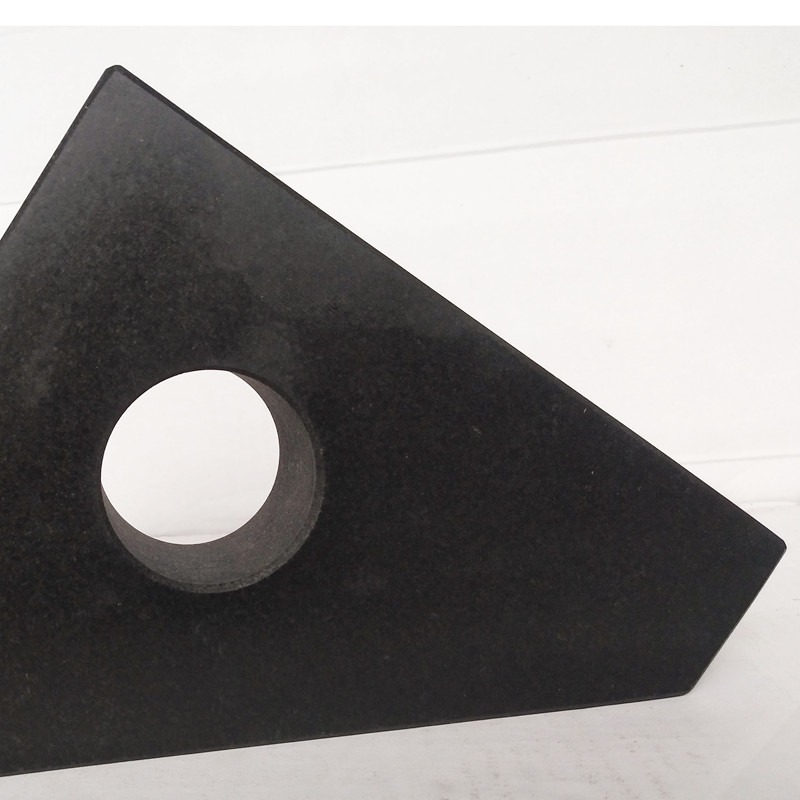
sheet mirror glass
Understanding Ring Gauge Class An In-Depth Exploration The ring gauge class is a fundamental concept in the field of metrology, particularly concerning the measurement of cylindrical components and precision engineering. This measurement tool serves as an essential benchmark for assessing the dimensional accuracy of parts, including but not limited to shafts, rods, and various cylindrical pieces. By using ring gauges, manufacturers can ensure that components fit into assembly processes with the required level of precision, which is critical in industries ranging from aerospace to automotive. What is a Ring Gauge? A ring gauge is a specific type of gauge that is designed to measure the external diameter of cylindrical objects or the internal diameter of cylindrical holes. It is essentially a ring-shaped tool that can have different tolerances, ranging from loose fit to tight fit, depending on the intended application. The gauges come in two main varieties the “go” gauge and the “no-go” gauge. The go gauge is used to determine if a part is within the specified limits of size, while the no-go gauge ensures that a part does not exceed the maximum allowable dimensions. Importance of Ring Gauge Class The ring gauge class is crucial for several reasons 1. Precision and Accuracy In an era where precision engineering is paramount, ring gauges help ensure that every component meets strict dimensional tolerances. This helps in minimizing errors during the assembly process and contributes to overall product quality. 2. Standardization Ring gauges promote uniformity and comparability in measurements across various projects and industries. By adhering to established class standards, manufacturers can communicate measurements more effectively and reduce the chances of discrepancies. ring gauge class 3. Quality Control Utilizing ring gauges as part of a quality control system helps identify defects early in the manufacturing process. This proactive approach to quality assurance can save time and money by reducing scrap rates and the risk of warranty claims. 4. Ease of Use Compared to other measurement tools, ring gauges are relatively simple to use, making them accessible for various operators. Their straightforward design enables quick checks without the need for complex setups or calibrations. Types of Ring Gauges Ring gauges come in different classes based on the tolerance levels and the manufacturing standards used to produce them. The most commonly referenced standards are those established by the International Organization for Standardization (ISO) and the American National Standards Institute (ANSI). These standards dictate the permissible deviations from the nominal size, which are critical for ensuring compatibility between mated parts. 1. Class A and Class B These classes indicate different tolerance levels. Class A gauges have tighter tolerances and are used for high-precision applications. Class B gauges, on the other hand, have broader tolerances and are more suited for general-purpose usage. 2. Material Considerations Ring gauges can be made from various materials, with steel being the most common due to its durability and resistance to wear. Some high-precision applications may require gauges made from carbide or other specialized materials to enhance longevity and accuracy. Conclusion In conclusion, the ring gauge class plays a vital role in ensuring the precision and quality of cylindrical parts in manufacturing. By facilitating standardized measurements, ring gauges not only aid in maintaining the integrity of engineering processes but also enhance the reliability of final products. As industries continue to evolve and demand higher levels of precision, the significance of ring gauges and their classifications will undoubtedly grow, affirming their place as indispensable tools in the world of metrology and engineering. Therefore, understanding the nuances of ring gauge classes is essential for engineers, quality assurance personnel, and manufacturers alike, ensuring that every component meets the high standards set by today’s demanding industrial landscape.
about
sheet mirror glass
Understanding Types of Thread Plug Gauges Thread plug gauges are essential tools in precision manufacturing and engineering, designed to check the dimensional accuracy of threaded holes. These instruments provide an efficient means of quality control, ensuring that threaded parts meet defined specifications and standards. This article explores the different types of thread plug gauges, their applications, and their importance in various industries. What is a Thread Plug Gauge? A thread plug gauge is a cylindrical tool that features a threaded section and is used to verify the internal threads of a hole. It checks for the correct pitch diameter, thread form, and, in some cases, the depth of the threaded hole. By ensuring these parameters are within specified limits, manufacturers can guarantee the quality and functionality of threaded components. Types of Thread Plug Gauges 1. Go Gauges and No-Go Gauges The most common classification of thread plug gauges is into two types Go and No-Go gauges. - Go Gauges are used to check whether the threaded hole can accept a screw of the specified dimensions. If the gauge can be inserted without forcing, the thread is considered acceptable. - No-Go Gauges are used to confirm that the hole doesn’t exceed the maximum allowable limits. If the No-Go gauge fits, it indicates that the thread is oversize and out of tolerance. Using both types together allows for a complete assessment of the threaded hole's acceptability. 2. Tapered Plug Gauges Tapered plug gauges are designed to inspect tapered threads, which are commonly found in plumbing and electrical fittings. These gauges have a taper that matches the specifications of the threaded hole, allowing them to check for fit and alignment accurately. 3. Rectangular Plug Gauges While most plug gauges are cylindrical, rectangular plug gauges are utilized in specific scenarios, particularly when dealing with non-standard and specialty threads. Their unique shape allows for inspection in tight spaces or areas that can't accommodate traditional gauges. types of thread plug gauges 4. Multi-Function Gauges Some manufacturers offer multi-function gauges that can measure various thread types and sizes within a single tool. These gauges often include interchangeable components, which can be adjusted according to the specific standards and requirements of different threading profiles. 5. Digital Thread Plug Gauges With advancements in technology, digital thread plug gauges have emerged. These high-tech tools come with electronic displays that provide precise measurements and can store data for quality control analysis. They are ideal for high-volume production environments where accuracy and efficiency are paramount. Applications of Thread Plug Gauges Thread plug gauges find use across various industries, including - Automotive Ensuring that threaded parts fit correctly in engines, transmissions, and structural components. - Aerospace Maintaining strict tolerances in threaded connections that are critical for safety and performance. - Manufacturing Monitoring quality in threaded components used in equipment and machinery. - Construction Verifying threaded connections in structural steel and concrete elements. Importance of Thread Plug Gauges In a manufacturing environment, the precision of threaded components is crucial for the overall performance and safety of a product. Inaccuracies can lead to issues such as misalignment, structural failure, and premature wear. By employing thread plug gauges during the quality control process, companies can ensure that their products meet industry standards and customer expectations. In addition to enhancing product quality, using thread plug gauges can also improve efficiency by reducing rework and scrap rates. By catching defects early in the production process, manufacturers can save time and resources while maintaining a high level of quality. Conclusion In conclusion, thread plug gauges are vital tools in ensuring the quality and functionality of threaded components across various industries. Understanding the different types of thread plug gauges available and their specific applications can help manufacturers maintain strict quality standards and improve production efficiency. By investing in the right gauging tools, companies not only enhance product reliability but also strengthen their position in the competitive market.
-

High quality industrial productsagement

High quality industrial products
View Details -

Meet the diverse needs of customers

Meet the diverse needs of customers
View Details -

Strict quality control

Strict quality control
View Details -

Top raw materials

Top raw materials
View Details -

Trusted supplier

Trusted supplier
View Details
Our application



news and information
water turn off valve
Understanding Water Turn Off Valves Their Importance and Usage When it comes to plumbing systems, on
Valve Selection Guide for Industrial Applications
As a leading wholesaler in industrial equipment, Storaen (Cangzhou) International Trading Co. unders
Valvola di ritegno 6an per sistemi idraulici e pneumatici di alta qualità
Il settore industriale moderno richiede soluzioni efficienti per il controllo del flusso di fluidi,
 English